
Is SHA Wellness Mexico Worth the Investment? An Expert’s 48-Hour Audit
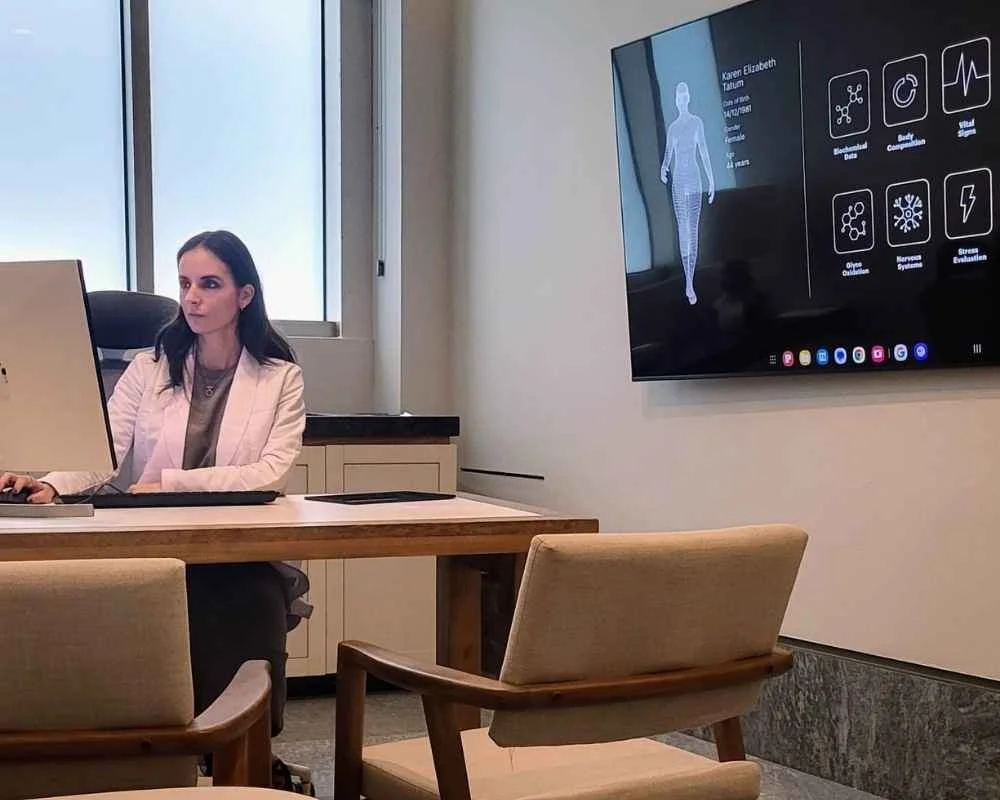
I went to SHA Wellness Mexico for a 48-hour Professional Audit, not as an influencer on assignment, but as a travel advisor evaluating whether SHA truly belongs in the toolkit for travelers (especially for my adventurous clients who want to heli-hike in Canada, safari in Africa, and explore well into their 60s and 70s).
While first-time guests commit to a minimum of 4 days to see results, I was invited for an intensive 48-hour "Professional Audit" to stress-test the SHA method. I wanted to see if a clinical intervention could identify the biological bottlenecks that prevent us from traveling at peak capacity into our 80s.
I left seeing my health, my stress, and even my future travel capacity differently.
The question I wanted answered was simple: Can a science-driven wellness stay meaningfully support the ability to travel well for decades? For me, the answer was yes. And if your life includes big adventures, juggling demanding family and/or work commitments, or a quiet kind of burnout that is easy to overlook, it may matter more than you expect.
Below are my insights from that audit to help you decide if this kind of reset is the right investment for your next chapter.
SHA Mexico vs. The Standard Luxury Spa
| Feature | Standard Luxury Spa | SHA Wellness Clinic |
|---|---|---|
| Primary Goal | Relaxation & Pampering | Biological Reset & Longevity |
| Nutrition | Gourmet & Indulgent | Bio-Individual Science |
| Daily Vibe | Social & Fluid | Structured & Clinical |
| The Outcome | Temporary Refresh | Measurable Health Data |
Future-Proofing Your Travel: How SHA Identifies the "Silent Burnout"
I arrived at SHA feeling physically strong. Years of focusing on nutrition, functional training, and high-energy workouts had built real resilience. But SHA’s diagnostics told a more complex story—one that is incredibly common among my high-performing clients.
The cornerstone was SHA’s Advanced Proactive Diagnosis. This isn't a standard check-up; it’s a multi-metric medical assessment examining segmental body composition, basal metabolism, visceral fat, and vascular age. Most striking for me, however, were the markers of central nervous system imbalance and parasympathetic dysfunction.
The Discovery: Electromagnetic testing revealed that a slipped disc in my neck was likely connected to hidden stress patterns and weight gain—markers I had never linked together. An MD explained that my nervous system was showing signs of sustained mental stress, partially masked by physical toughness.
In other words: I appeared resilient while quietly moving toward burnout.
This is why SHA is not a traditional spa experience. It feels closer to a medical diagnostic environment, thoughtfully placed on a calm Caribbean shoreline. It is structured and clinical in its insights, yet restorative in its atmosphere.
The Value for My Clients: SHA revealed my hidden stress, helped reset my nervous system, and meaningfully shifted my sleep. But the real value isn't just the stay—it's the integration. My role as a travel advisor is helping you determine when your body needs this clinical reset versus a soulful retreat, ensuring the benefits actually last until your next big adventure.
Measurable Shifts: What a 48-Hour Audit Revealed
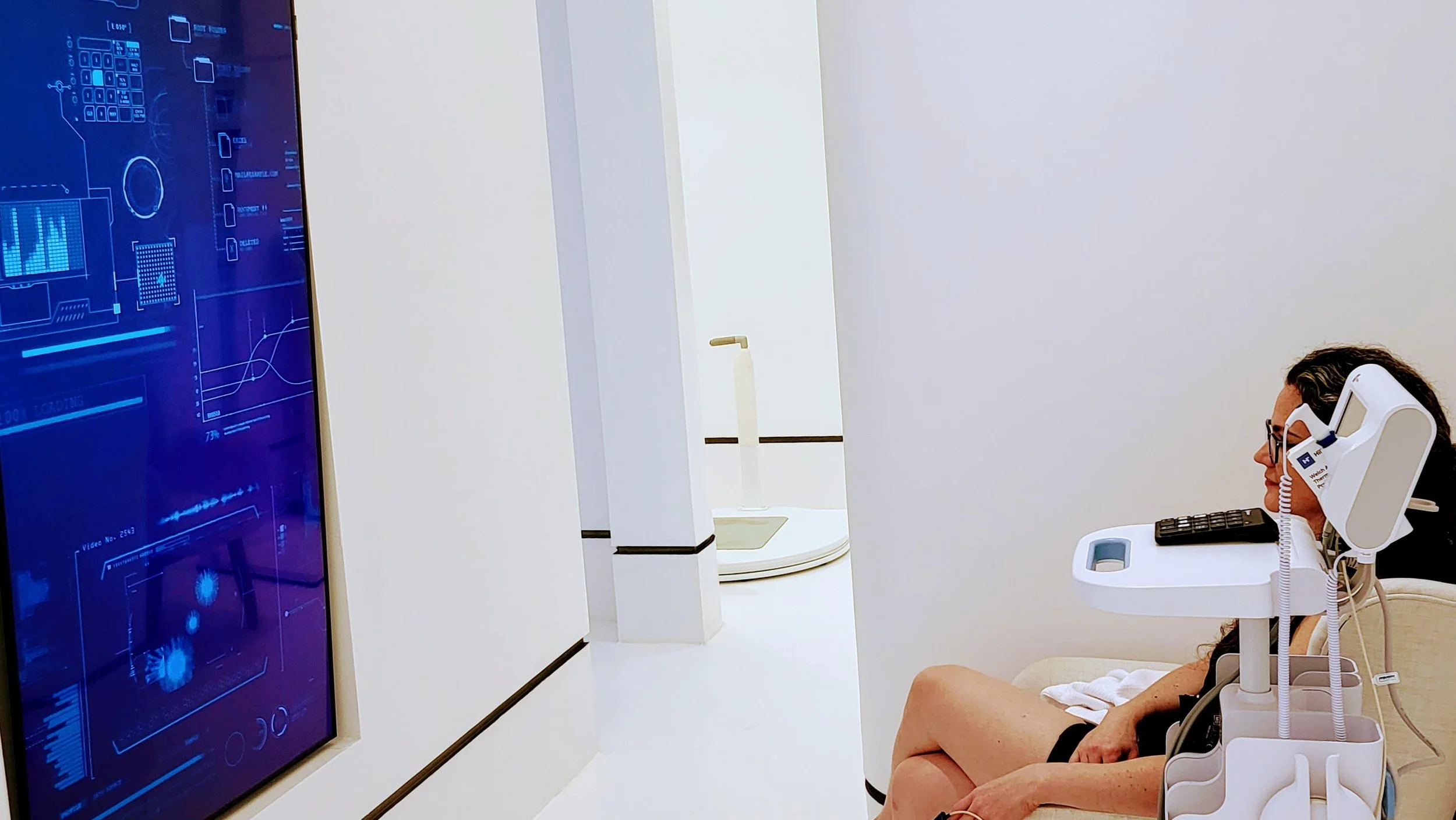
Even within a professional audit timeframe involving BIA body scans and electromagnetic stress mapping, the physiological shift was measurable. SHA’s clinical rhythm produced immediate changes in my own data:
Nervous System: A noticeable "quieting" of the sympathetic drive and reduced cognitive load.
Sleep: Onset became fast and calm; my usual sleep supplements were no longer necessary.
Digestion: Normalized immediately through therapeutic nutrition.
The Clinical Audit: Understanding the Prescribed Protocols
During my stay, the medical team prescribed a series of protocols based on my specific diagnostics. While my 48-hour window didn't allow for the completion of every treatment, experiencing the intake process gave me an inside look at how SHA supports high-performance travelers.
| SHA Protocol | My Experience | Often Relevant For |
|---|---|---|
| Advanced Proactive Diagnosis | Completed | Establishing a physical baseline before demanding travel |
| Integrated Bioenergy Assessment | Completed | Nervous system and stress recalibration |
| Hypoxia Therapy | Prescribed | High-altitude or endurance-focused journeys (e.g., BC Heli-hiking) |
| Mental Balance Serum IV | Prescribed | Sleep rhythm, jet lag, and cognitive recovery for high-capacity leaders |
The Advisor’s Take: Who SHA is Really For
SHA attracts a specific kind of traveler. It is not a "social" vacation; it is a results-oriented investment. To see if you fit the profile, consider these three common paths:
The Post-Leadership Adventurer: You’ve stepped away from the boardroom and are ready for global exploration, but want to ensure your stamina and recovery match your ambition for the next decade.
The High-Capacity Creative Parent: You invest deeply in shared family adventures, but rarely leave space for your own physiological recovery. You appear resilient, but are quietly moving toward burnout.
The Solo Reset Seeker: You need a quiet, focused, and clinical environment to reclaim your health data away from the noise of a traditional luxury resort.
Not every traveler will love SHA. Those seeking lively beach energy, abundant dining, or an unstructured Mexico escape may find it too clinical. But for the right person, the impact is a measurable shift in how they live the next decade. Deciding to commit to a structured clinic like SHA requires a complete shift in mindset compared to booking a standard holiday. It is an investment in your longevity data. If you are currently trying to figure out whether your upcoming travel goals require the guidance of a dedicated expert or if you are better off managing the itinerary yourself, read my honest breakdown to help you choose between hiring an advisor or self-booking.
Strategic Planning: Making the Most of SHA
While the SHA website is beautiful, three realities become much clearer with professional context:
Clinic-First, Resort-Second: Your days are structured around diagnostics and treatments. The tone is peaceful and inward-focused rather than social.
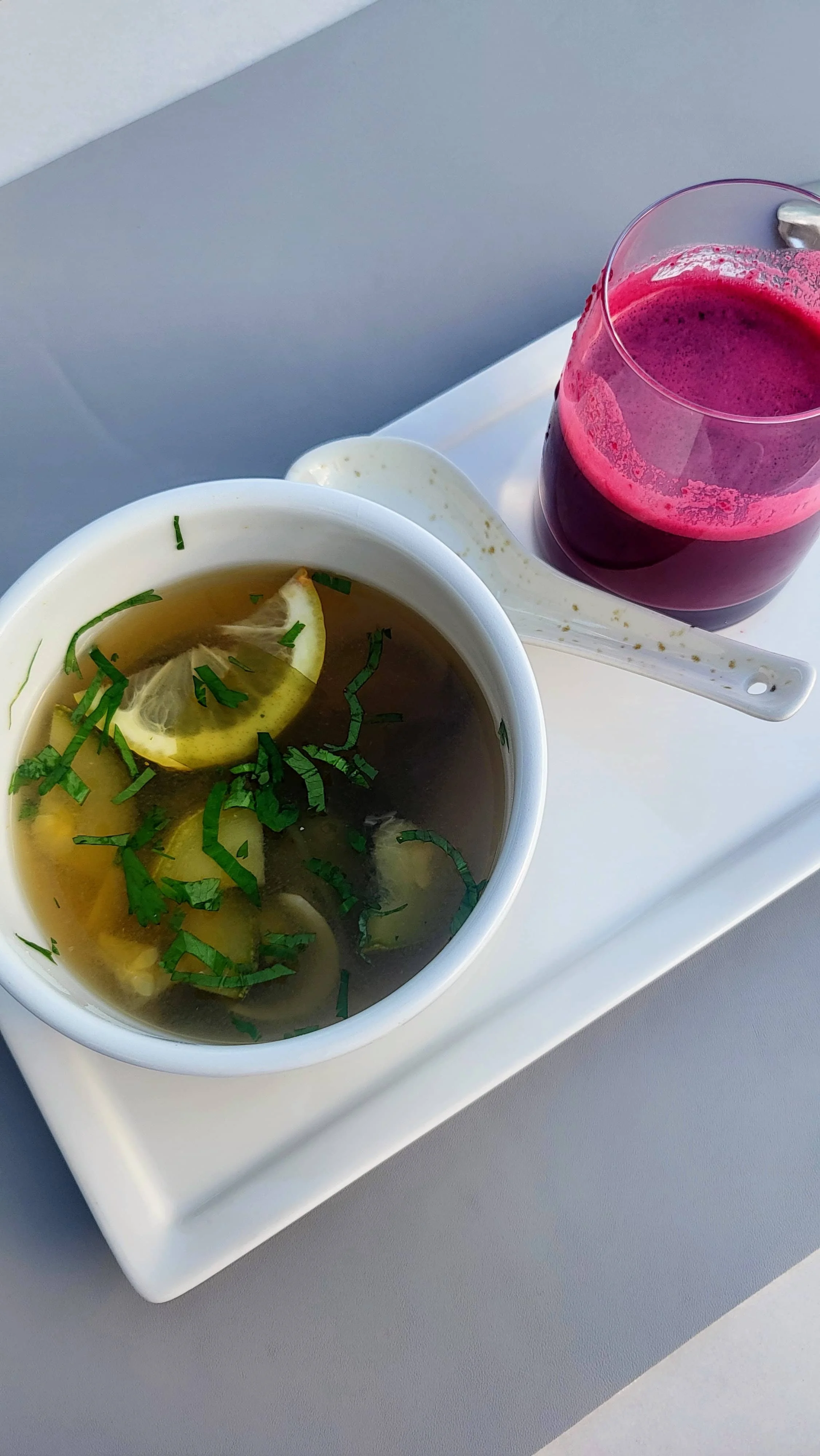
Therapeutic Nutrition: The macrobiotic program focuses on physiological goals (cellular repair and energy) rather than culinary indulgence.
The 4-Day Minimum: For all first-time guests, a minimum stay of four days is required to ensure the clinical protocols can actually take hold.
Why timing matters before big adventures
Most travelers place wellness stays at the end of a trip. I believe that with SHA, earlier timing is more meaningful.
Testing immediately after demanding travel can reflect jet lag and inflammation rather than baseline health. By placing SHA at the start of your journey, you arrive at your destination physically and mentally optimized.
Strategic timing examples:
Before BC Heli-Hiking: Supporting balance and nervous system regulation.
Before African Safaris: Improving circadian rhythm and sleep resilience.
Before High-Stakes Leadership Retreats: Arriving calmer, clearer, and more creatively present.
The Soft Landing: The SHA + Palmaïa Circuit
Returning straight to a high-stress environment can undo the nervous system regulation achieved at SHA. I recommend a "Soft Landing" to let the benefits stabilize.
A stay at Palmaïa – The House of AïA is the perfect soulful bridge. While SHA is the ultimate solo medical reset, Palmaïa is my premier recommendation for nature-bonded integration and wellness retreats for groups of 10 or more.
Your Wellness Strategy Starts Here
SHA offers a wide array of clinical programs and therapeutic pathways. On paper, nearly everything looks suitable; in practice, alignment is everything.
Whether you are preparing for a demanding adventure, seeking a data-driven reset, or looking to host a group wellness retreat at Palmaïa, I am here to help you navigate the clinical options and strategic timing to ensure your stay delivers a true return on investment.
Let’s spend 15 minutes mapping out your 2026 wellness strategy and determining whether SHA Mexico is the right fit for your next chapter.