
SHA Wellness Mexico changed how I track my health
And why it may extend your adventure travel years
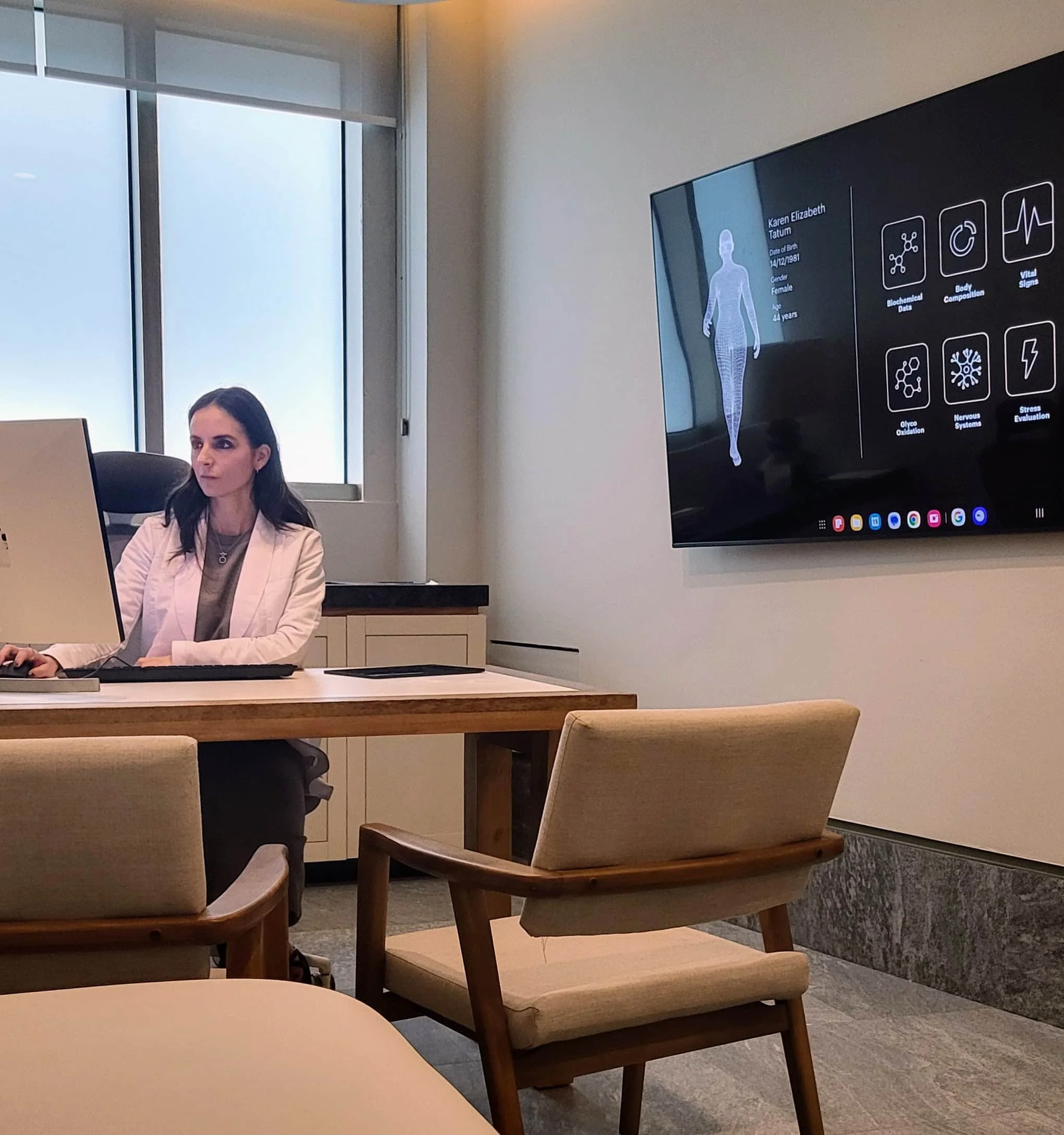
Advanced Proactive Diagnosis review with an SHA physician, assessing segmental body composition, central nervous system function, and vascular age.
I went to SHA Wellness Mexico for just 48 hours, not as an influencer on assignment, but as a travel advisor evaluating whether SHA truly belongs in the toolkit for travelers (especially for my adventurous clients who want to heli-hike, safari, and explore well into their 60s and 70s).
I left seeing my health, my stress, and even my future travel capacity differently.
The question I wanted answered was simple:
Can a science-driven wellness stay meaningfully support the ability to travel well for decades?
For me, the answer was yes. And if your life includes big adventures, juggling demanding family and/or work commitments, or a quiet kind of burnout that is easy to overlook, it may matter more than you expect.
While my results were specific to my body and routine, I think my insights from SHA you’ll read about below are useful for anyone trying to decide whether this kind of reset could work for them.
The missing link between burnout and your next adventure
I arrived feeling physically strong. Years of focusing on nutrition, Zumba, functional training, and Pound workouts had built real resilience.
But SHA’s diagnostics told a more complex story.
The cornerstone was SHA’s Advanced Proactive Diagnosis, a multi-metric medical assessment examining segmental body composition, basal metabolism, visceral fat, postural health, cardiovascular status, vascular age, oxygen saturation, and most striking for me, markers of central nervous system imbalance and sympathetic/parasympathetic dysfunction.
Electromagnetic testing also revealed that a slipped disc in my neck is likely connected to hidden stress patterns, fat storage, and weight gain I had not linked together.
Then an MD explained something deeply clarifying. My nervous system was showing signs of significant imbalance and sustained mental stress, partially masked by physical toughness.
In other words, I appeared resilient while quietly moving toward burnout.
SHA is not a traditional spa experience. It feels closer to a medical diagnostic environment, thoughtfully placed on a calm Caribbean shoreline, structured and clinical in its insights, yet restorative in atmosphere.
SHA revealed hidden stress, helped reset my nervous system, and meaningfully shifted my sleep. And for the right traveler, a stay at SHA Mexico can be quietly powerful. My role is helping determine when and how to integrate that kind of experience so the benefits last beyond the stay itself.
My 48 hours at SHA: what actually shifted
From arrival, everything moved with quiet efficiency.
My pre-arranged transfer delivered me to an oceanfront suite with wide, calming views. Intake began quickly:
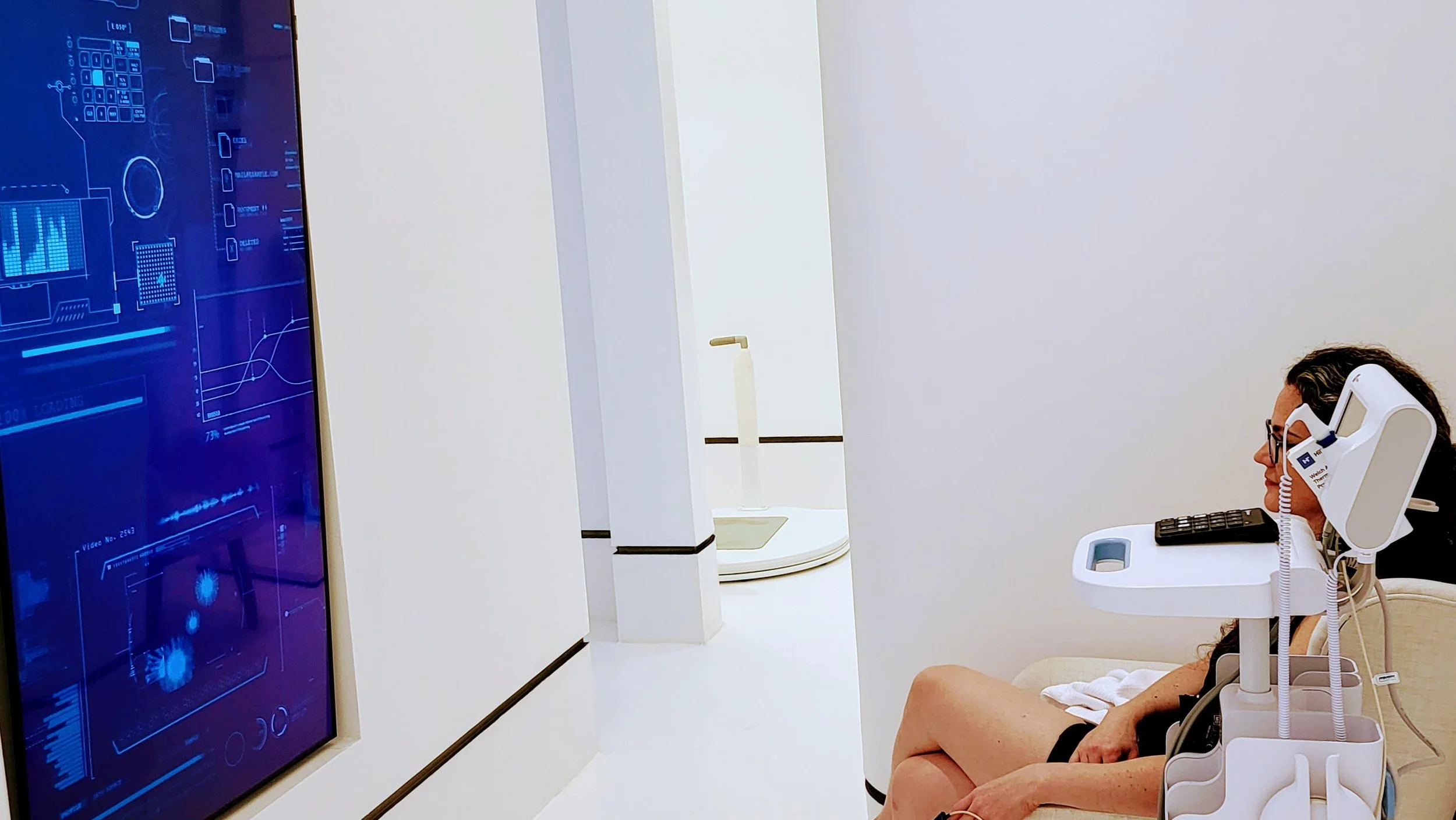
BIA body scans measuring body composition, muscle, fat, and water balance
Electromagnetic stress mapping
Full medical consultation interpreting the data in context
For the first time, the connection between my neck injury, stress load, and weight patterns made coherent sense.
Daily life followed a gentle clinical rhythm: saunas, hydrotherapy circuits, one targeted treatment, and macrobiotic-leaning meals designed for physiological function rather than indulgence. Phones were permitted, yet the overall mood remained quiet and inward-focused.
Even within two nights, measurable shifts occurred:
Digestion normalized
Sleep onset became fast and calm
My usual sleep supplement was no longer necessary
My nervous system felt noticeably quieter
Following the assessment, the physician outlined several therapeutic next steps based on how my nervous system and cognitive load were presenting.
Completed during my stay:
Integrated Bioenergy Assessment
Optimal Electromagnetic Balance
Prescribed but not completed due to the short stay:
Hypoxia therapy, recommended as structured nervous system training using controlled high-altitude simulation to help improve regulation, resilience, and recovery from chronic stress load
Mental Balance Serum IV, recommended to support serotonin pathways and cognitive resilience, after the physician explained that years of sustained stress can begin to affect memory and broader brain function (and that affect was measurable in my testing)
Nutritional guidance included targeted supplements, chamomile-passionflower tea for nervous system support, additional fermented foods and cognitive support centered on lion’s mane.
What stayed with me afterward:
Tracking muscle and bone trends using a Hume scale
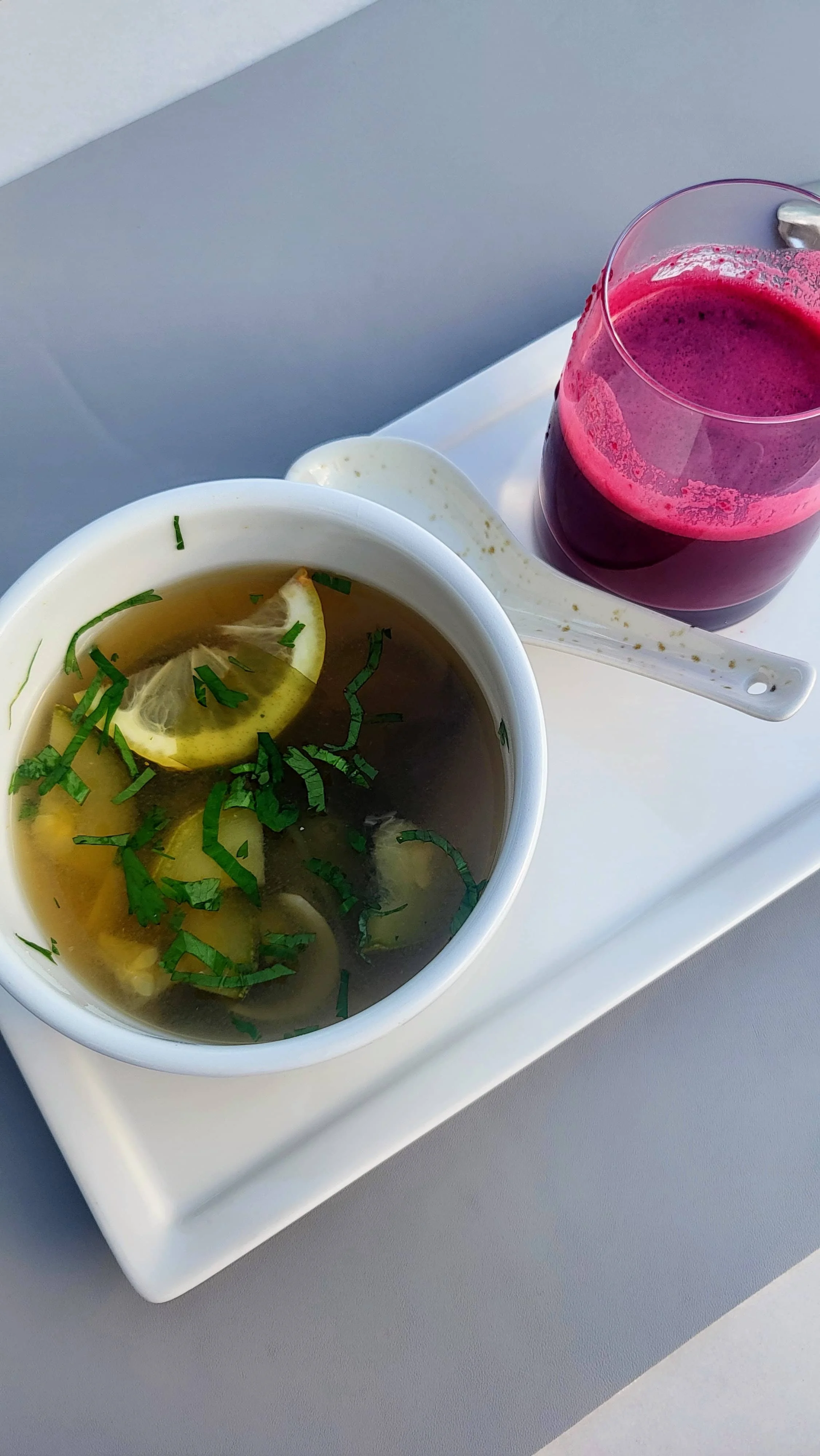
Daily fermented foods like sauerkraut and morning miso
Chamomile-passionflower tea in the evenings
Continued cognitive support with lion’s mane
Small, sustainable shifts, the kind that signal real change rather than a temporary reset. At the same time, I realized this wasn’t a quick fix. SHA gave me a clearer view of how my body handles stress and where I tend to push too hard. I’m more aware now of how everything ties together and that I probably shouldn’t just power through. That awareness alone is a key part of the reset’s value.
Short stays can create movement. But for first-time guests hoping for deeper physiological change, four to seven nights or more allows the nervous system meaningful time to downshift.
Who SHA is really for …
SHA attracts a specific kind of traveler:
Solo guests seeking a quiet reset
Close friends traveling with shared wellness goals
Babymoons or pre-wedding stays centered on health
Fitness professionals preparing for demanding seasons
High-responsibility leaders balancing recovery with ongoing work
The atmosphere is calm, focused, and results-oriented rather than social or indulgent.
To give a sense of the kinds of travelers who tend to benefit most, here are a few illustrative examples:
Travelers about to or just in retirement years having stepped away from business leadership and now prioritize extended, meaningful journeys each year, yet quietly wonder how stamina, sleep, and recovery will shape the next decade of travel.
High-capacity creative parents investing deeply in shared family adventures, while carrying sustained responsibility that rarely leaves space for true physiological recovery.
Not every traveler will love SHA. Those seeking lively beach energy, abundant dining, or an unstructured Mexico escape may find it too clinical. But for the right person, the impact can be quietly life-changing.
Helpful things to know while you’re considering SHA
SHA’s website is beautiful and informative. Some realities become clearer with context:
Clinic-first, resort-second: Days are structured around diagnostics, treatments, and education. The tone is peaceful rather than social.
Therapeutic food: Macrobiotic programs emphasize intention, portion balance, and physiological goals over indulgence.
Digitally structured scheduling: App-based organization works beautifully for some travelers and benefits from planning support for others.
Selected protocols from my stay (illustrative of what I experienced; your own program will vary):
| SHA protocol | My experience | Often relevant for |
|---|---|---|
| Advanced Proactive Diagnosis | Completed | Establishing a physical baseline before demanding travel |
| Integrated Bioenergy Assessment | Completed | Nervous system and stress recalibration |
| Hypoxia therapy | Prescribed | High-altitude or endurance-focused journeys |
| Mental Balance Serum IV | Prescribed | Sleep rhythm, jet lag, and cognitive recovery |
Why timing matters before big adventures
Wellness stays are often placed at the end of a journey. I think that with SHA, earlier timing is more meaningful.
Testing immediately after demanding travel can reflect jet lag, inflammation, and fatigue rather than baseline health (in fact, when my heart rate tested high and my memory tested poorly, the MD asked me if I had come off of recent long travel days. Had my answer been yes, these health indicators may have been discounted). Allowing the body to settle first produces more useful data.
Strategic timing may look like:
Before BC heli-hiking: supporting balance, joint stability, and nervous system regulation
Before African safaris: improving circadian rhythm and sleep resilience
Before hosting leadership retreats: arriving calmer, clearer, and more creatively present
A few gentle integration days afterward (perhaps at Palmaia in Playacar, Mexico) can help the benefits stabilize before returning home.
Where thoughtful planning makes a difference
SHA offers multiple programs, therapeutic pathways, and stay lengths. On paper, nearly everything appears suitable. In practice, alignment matters.
Thoughtful planning considers:
The real concern beneath the inquiry: sleep, stamina, stress, weight, or healthy aging
Calendar realities, travel style, and companions
Advance coordination so the clinical schedule reflects true priorities from the first day
This is where guidance meaningfully shapes outcomes.
Your SHA reset starts here
If SHA is on your mind, you can begin with a simple, no-pressure conversation. We can explore how you travel now, what you hope the next decade feels like, and whether SHA belongs in that path.
For the right traveler, it can become one of the most meaningful journeys they take. Thoughtful preparation simply helps ensure it truly works.