
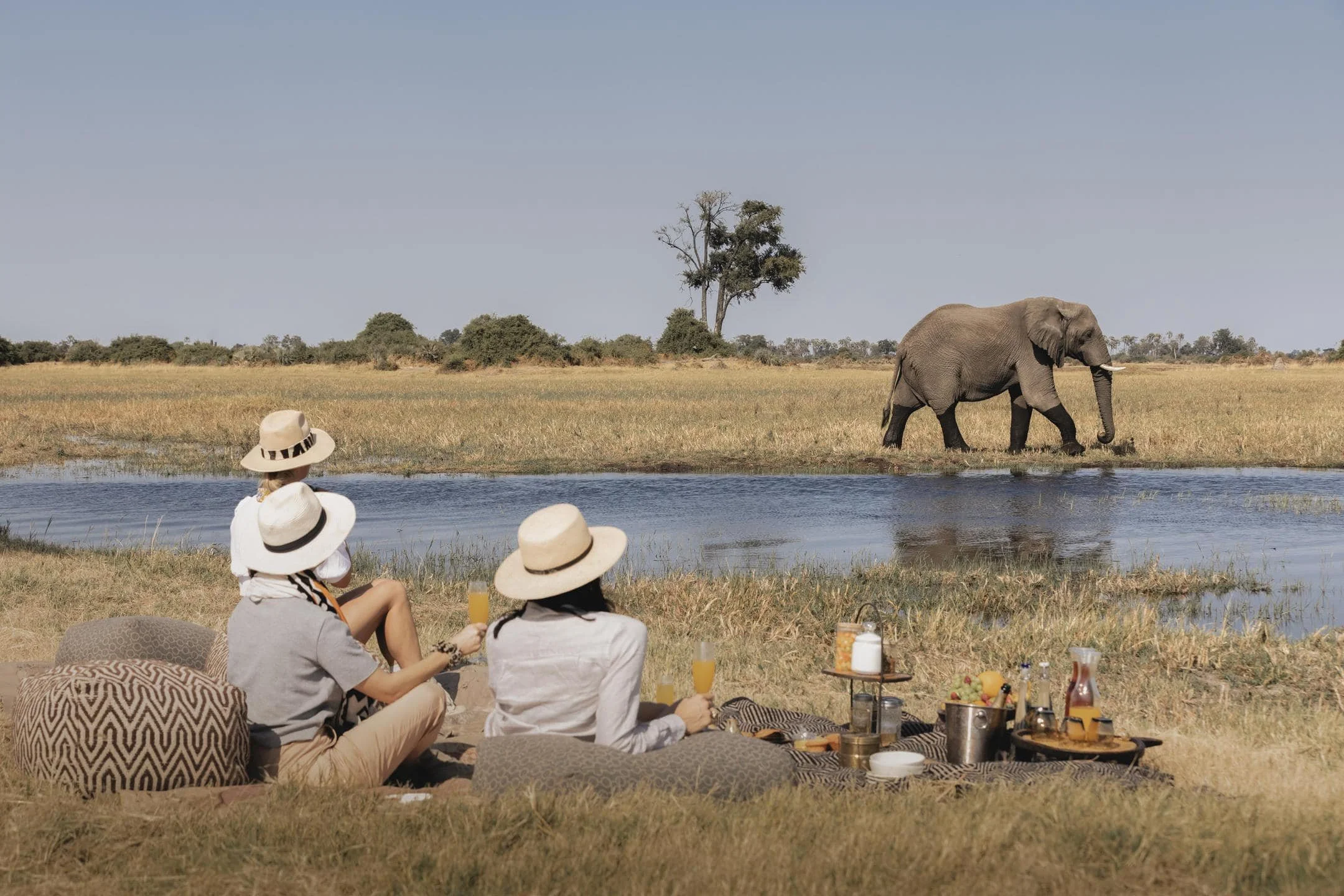
Best Luxury Safari Camps in Botswana
A Guide to Exclusive Wilderness Experiences
Botswana is one of Africa’s most coveted safari destinations — and with good reason.
From the emerald channels of the Okavango Delta to the remote elephant corridors of Linyanti, Botswana offers a safari experience like nowhere else: wild, luxurious, and profoundly personal. With its commitment to low-impact, high-value tourism, you’ll find yourself immersed in vast landscapes with few other travelers around — just you, the wildlife, and the raw beauty of Africa.
In this guide, you'll discover what makes Botswana so special, how to choose the right safari season and region, and a detailed look at some of the best luxury safari camps in Botswana — all of them run by Wilderness, a leader in conservation travel.
I'm also gathering interest in a hosted luxury safari to Botswana for 2026/7. If you’re curious about joining me, click here to learn more


-
Key Wildlife Sightings
Elephant (huge herds), lion, leopard, wild dog, cheetah
Hippo, crocodile, buffalo, giraffe, zebra
Red lechwe, sable, roan, kudu, and other antelope species
Over 500 bird species including carmine bee-eaters and African fish eagles
-
Signature Experiences
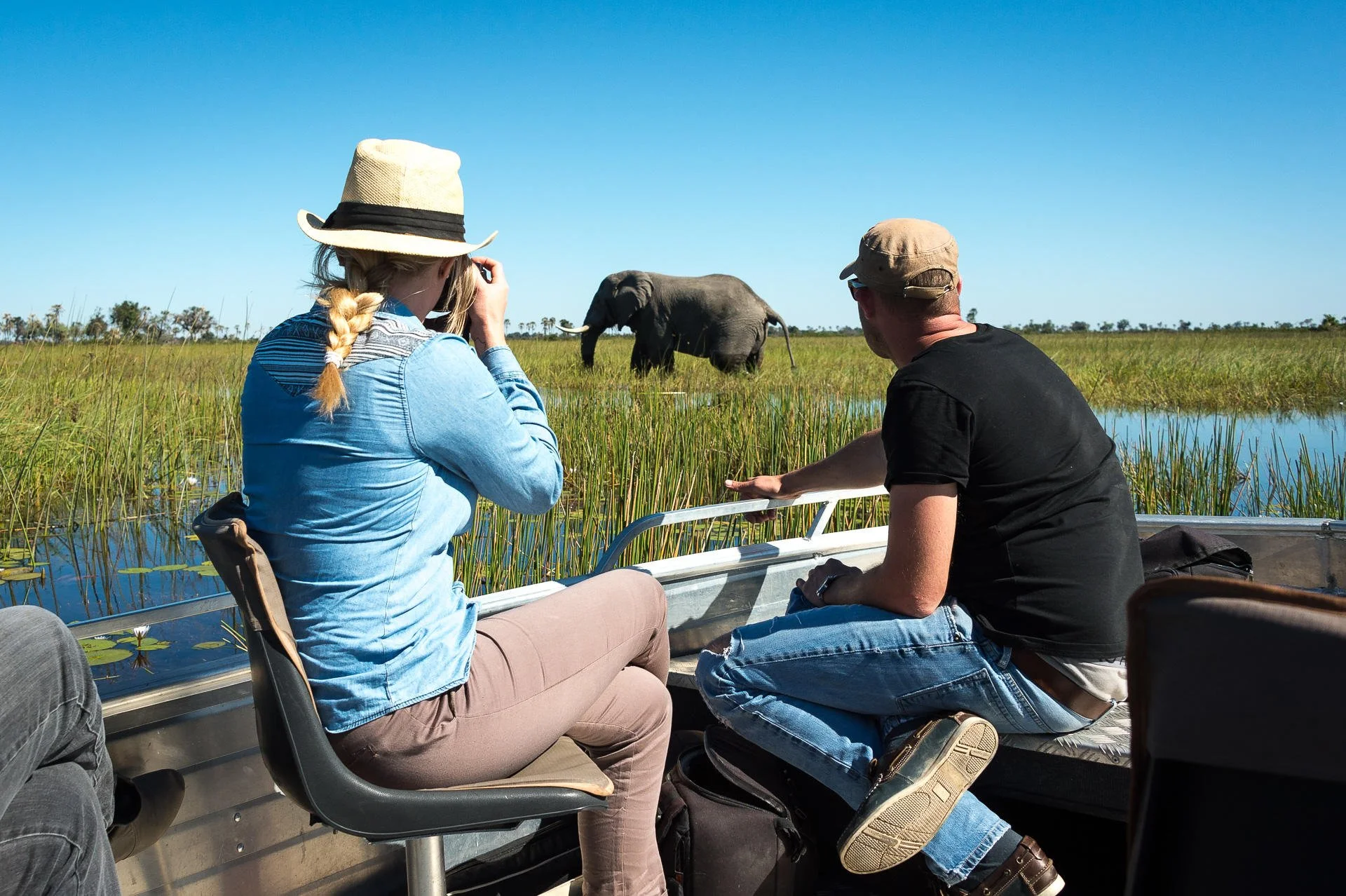
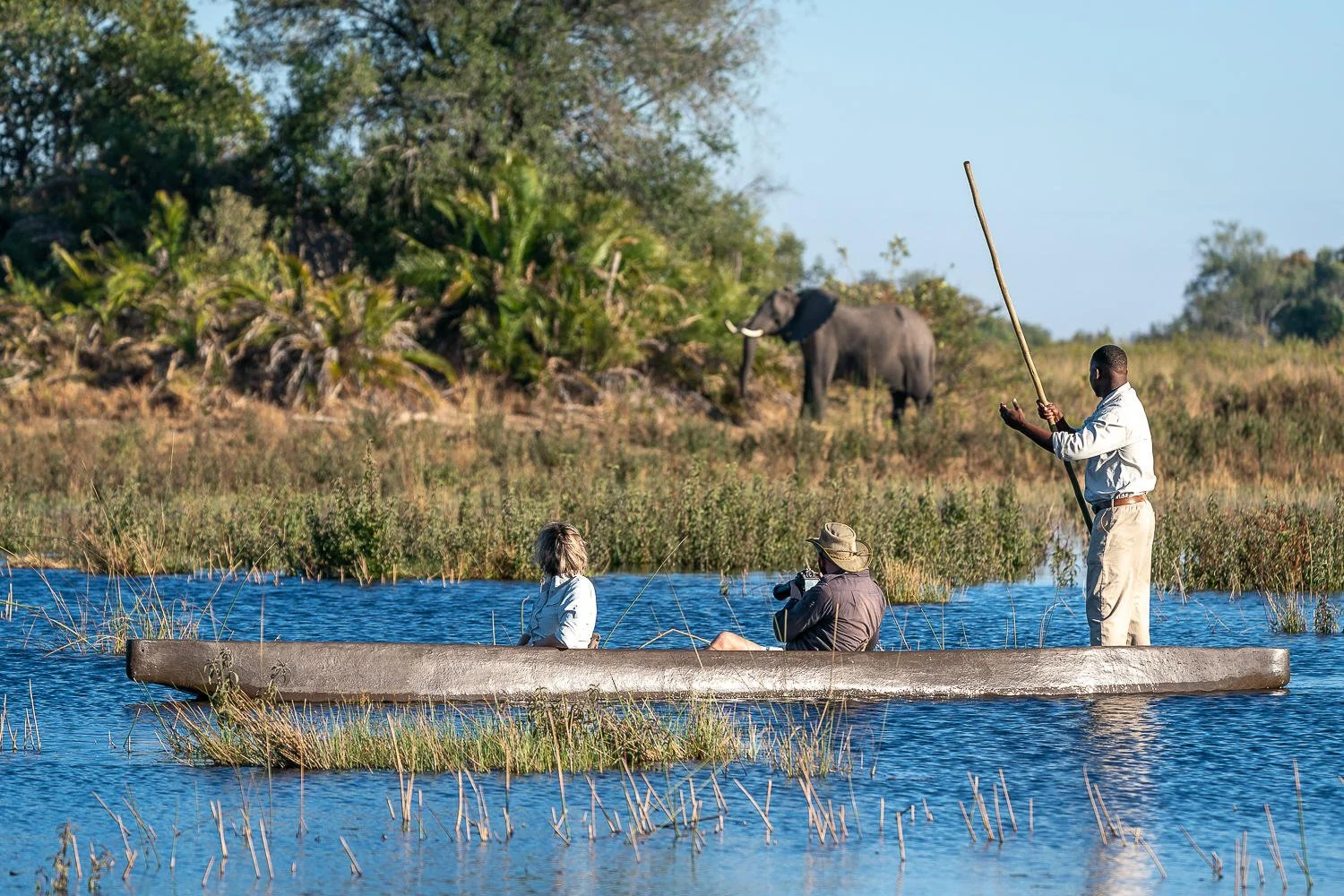
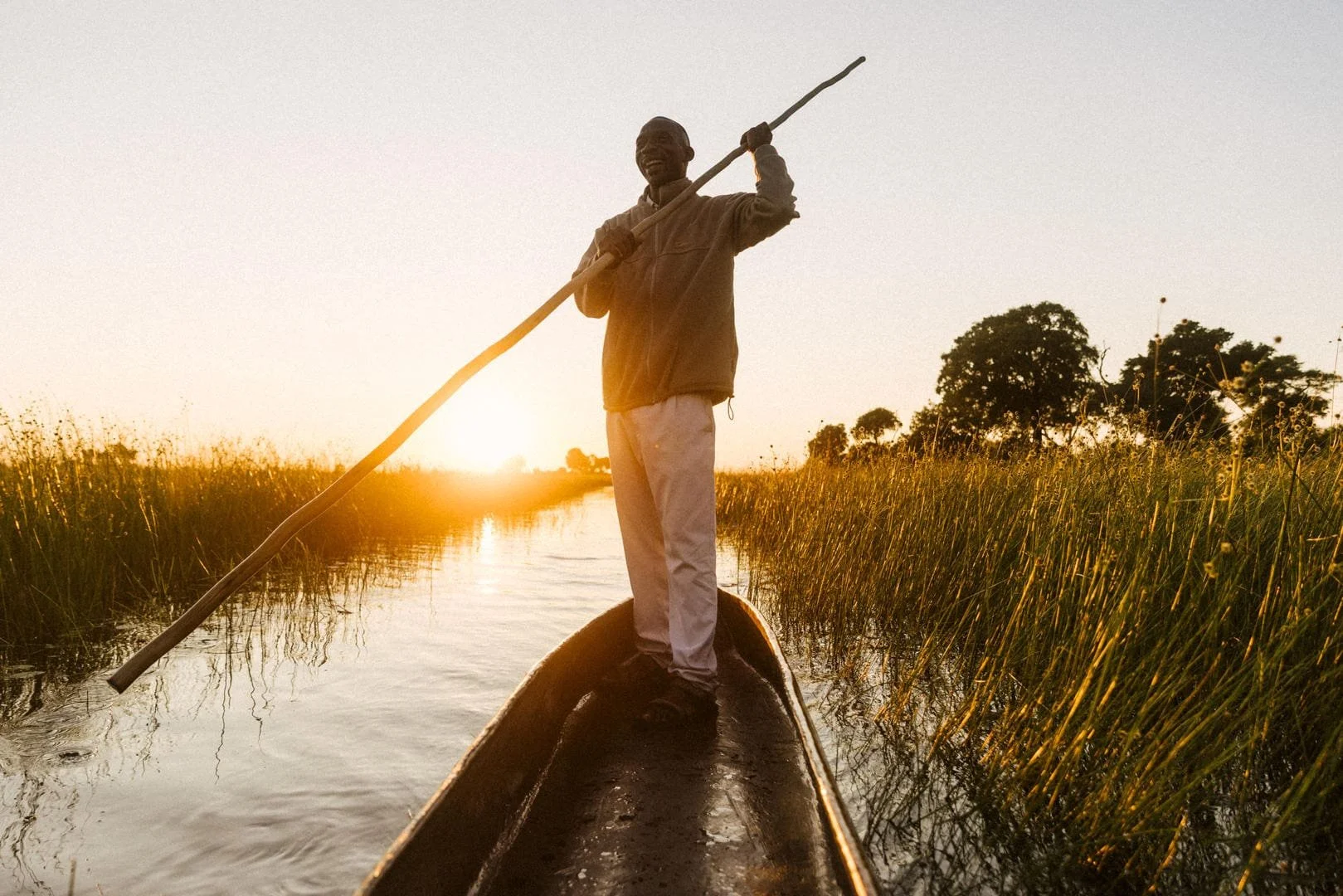
Mokoro (dugout canoe) rides through the Okavango Delta
Off-road game drives in private concessions
Walking safaris with expert local guides
Night drives and predator tracking in Linyanti and Savuti
Boating and birding in floodplains during green season
-
Best Times to Visit
May–October (dry season): Peak wildlife, low water = more land-based exploration
November–April (green season): Lush landscapes, migratory birds, baby animals
Shoulder months (April/November): Great value, good wildlife, beautiful light
-
Ideal for ...
First-time or return safari travelers
Wildlife photographers and nature lovers
Couples or honeymooners
Families with teens or adult children
Travelers who value conservation and exclusivity
Why Choose Botswana for Safari
Botswana is one of the best places on Earth to experience a luxury safari — not just because of the wildlife, but because of how it’s protected.
The country follows a “high-value, low-impact” tourism model, meaning fewer camps, fewer vehicles, and more meaningful wilderness encounters. Most safari areas are private concessions, not crowded national parks, so you can explore by 4x4, foot, mokoro, or boat with freedom and flexibility.
Here's what sets Botswana apart:
Unspoiled wilderness: Nearly 40% of the country is protected for nature — that’s almost the size of France.
Extraordinary wildlife: Expect big cats, huge elephant herds, wild dogs, buffalo, hippos, giraffes, and incredible birds.
Private access: Stay in areas that are only open to a handful of guests at a time. It’s not unusual to spend hours on a game drive without seeing another vehicle.
Water and land safaris: Especially in the Okavango Delta and Jao Concession, you can combine mokoro rides, boating, and land-based wildlife viewing in one trip.
Eco-conscious luxury: Many camps in Botswana — especially those run by Wilderness — go beyond sustainability to actively protect and regenerate the landscapes they rely on.
Whether you're planning a romantic escape, a photographic adventure, or a trip that connects you with the raw power of nature, Botswana delivers something unforgettable.
When to Go: Botswana’s Safari Seasons
Dry Season (May to October)
Wildlife Viewing: Animals congregate around water sources, making sightings more predictable.
Climate: Cool mornings and evenings with warm, dry days.
Activities: Ideal for game drives and walking safaris.
Green Season (November to April)
Scenery: Lush landscapes with vibrant flora.
Wildlife: Excellent birdwatching and the chance to see newborn animals.
Climate: Warmer temperatures with occasional rain showers.
Shoulder Months (April and November)
Advantages: Fewer tourists, pleasant weather, and competitive pricing.
Botswana Safari Regions
Botswana’s safari landscapes vary widely — from wetlands and river channels to woodlands and grasslands — and each region offers a distinct type of experience. Understanding the differences can help you craft a more meaningful and balanced itinerary.
Here are three of the country’s most iconic safari regions:
This UNESCO World Heritage Site is one of Africa’s most extraordinary ecosystems — a vast inland delta where seasonal floodwaters create a maze of channels, islands, and lush floodplains.
Known for: Mokoro (dugout canoe) safaris, boating, incredible birding, and peaceful landscapes
Wildlife: Hippos, crocodiles, elephants, red lechwe, sitatunga, and seasonal predators
Best for: Water-based safaris, photographers, birders, and couples seeking quiet, immersive stays
Okavango Delta
Located in northern Botswana along ancient river systems, Linyanti is known for its dramatic dry-season wildlife viewing and remote, wild beauty. The area supports high concentrations of elephant and predators — and far fewer visitors.
Known for: Large herds of elephant, predator sightings, and dry-season action
Wildlife: Lion, leopard, wild dog, hyena, buffalo, roan and sable antelope
Best for: Seasoned safari-goers, serious wildlife photographers, and travelers craving exclusivity
Linyanti Wildlife Region
Mababe Region (Bordering Moremi Game Reserve)
Mababe is a rich and varied safari landscape on the eastern edge of the Okavango Delta, just outside Moremi Game Reserve. It combines riverine woodlands, open grasslands, and seasonal floodplains — offering exceptional game viewing with greater flexibility than the reserve itself.
Known for: Big predators, strong elephant populations, and a mix of habitats
Wildlife: Lion, leopard, cheetah, wild dog, hyena, giraffe, buffalo, and plains game
Best for: Classic game drives, first-time travelers, families, and anyone looking for a “Big Five” style experience in a more private setting
Wondering what it actually feels like to go on a safari like this?
Here’s a story from one of my adventurous clients who did just that.
Read Sandra’s Story →
Her trip was deeply personal, and she tells it beautifully — the kind of experience that reminds me why I do this work.
When you're planning a high-end safari in a place as remote and ecologically sensitive as Botswana, the travel partner you choose matters — deeply. That’s why I recommend Wilderness.
They’ve been operating for over 40 years, not just as a luxury safari company, but as a pioneer in what they call regenerative tourism — the idea that travel should not only preserve wild places, but actively make them better.
Their business model is built on two interconnected parts: Conservation and Tourism — each one depends on the other.
Your presence as a guest funds critical work protecting wildlife corridors, restoring landscapes, and supporting local communities. Without travelers, the conservation efforts wouldn’t be possible. And without healthy ecosystems and partnerships, the travel experience wouldn’t be worth having.
What this means for you as a traveler:
You’re not just visiting — you’re contributing
Your journey helps ensure Botswana’s wildlife and communities thrive long after your trip ends.You’ll experience exclusivity, not crowds
Wilderness camps are located in private concessions where vehicle numbers are limited. That means intimate game drives, quiet sightings, and the freedom to explore on foot, by boat, or after dark.You’ll be in excellent hands — 24/7
From the moment you arrive in the country, you’re fully supported by Wilderness’s on-the-ground teams. Their guides, pilots, and staff are trained to the highest standards of safety, professionalism, and care.You’ll stay somewhere that feels intentional, not indulgent
Their camps are elegant without being excessive — designed to blend into the landscape and connect you to it, not remove you from it.
Wilderness doesn't just aim to leave no trace — they aim to leave places better than they found them. Their approach to regenerative tourism means that each guest’s stay helps restore ecosystems, support anti-poaching efforts, and empower local communities in lasting ways.
I work closely with Wilderness because I know the quality they deliver and the values they uphold. I’ve experienced their safaris firsthand, trained with their internal teams, and trust them to care for my clients with the same integrity and attention I would.
This isn’t about ticking off a bucket list.
It’s about traveling well — and doing good while you’re at it.
Why Wilderness Is My Go-To for Luxury Safaris in Botswana
Wilderness operates a collection of Classic Camps across Botswana, each one offering a slightly different take on the safari experience — from mokoro rides through the Okavango Delta to big-cat tracking in drier savannah regions.
All of these camps are designed with the same core values: deep comfort, exceptional guiding, and a genuine connection to the land.
What makes them even more special is how they work together. Most travelers combine 2–3 camps in different regions to experience a broader variety of landscapes, wildlife, and activities.
Below, I’ve grouped the camps by region to help you understand how they differ — and what kind of traveler each one might suit best.
Where to Stay: Botswana’s Luxury Safari Camps
-
![Elevated safari tent at Tubu Tree Camp in the Okavango Delta, Botswana]()
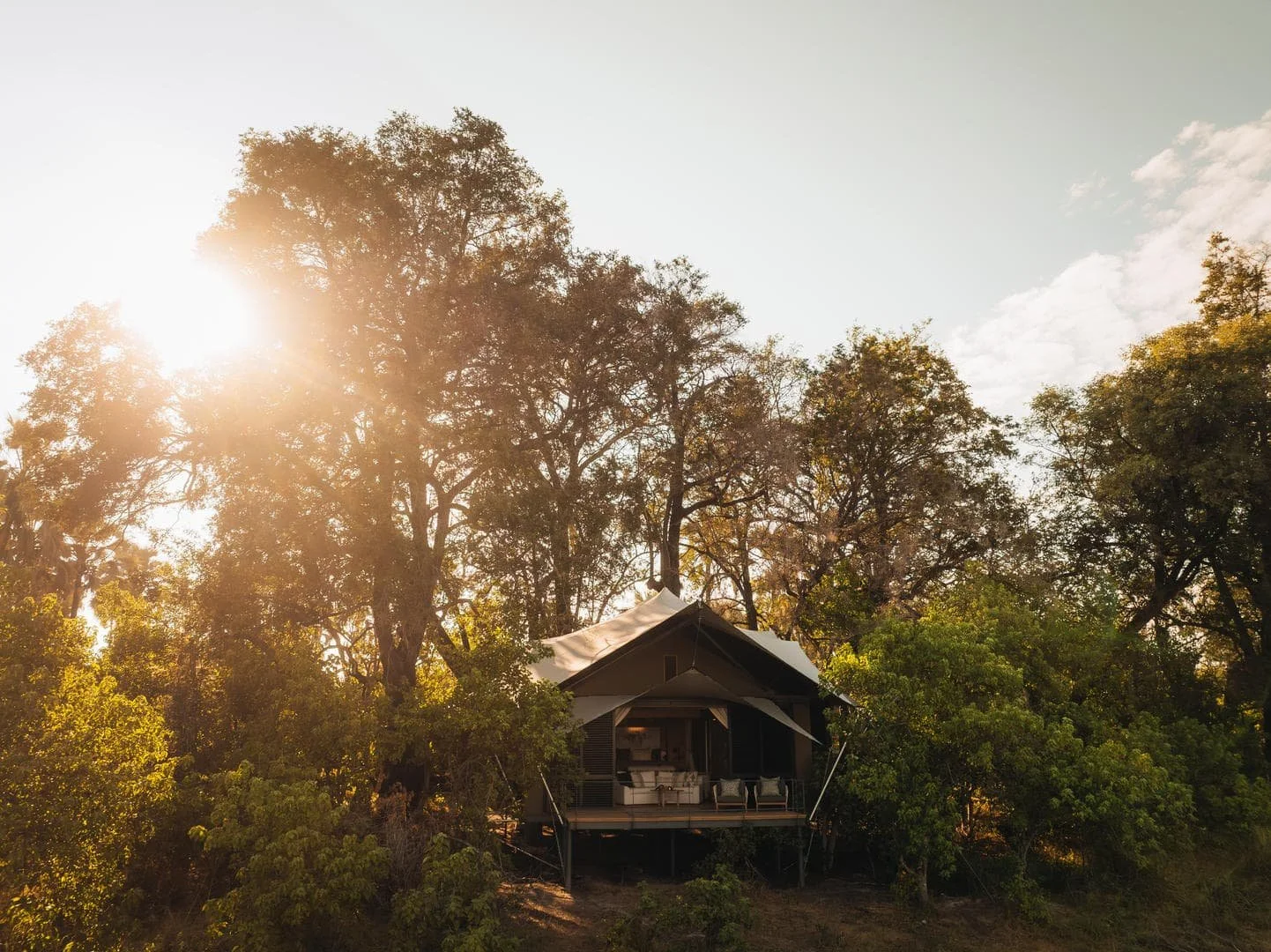
Tubu Tree Camp (Okavango Delta)
Raised tents with views across the floodplain, this camp offers a magical mix of water- and land-based safaris depending on the season.
-
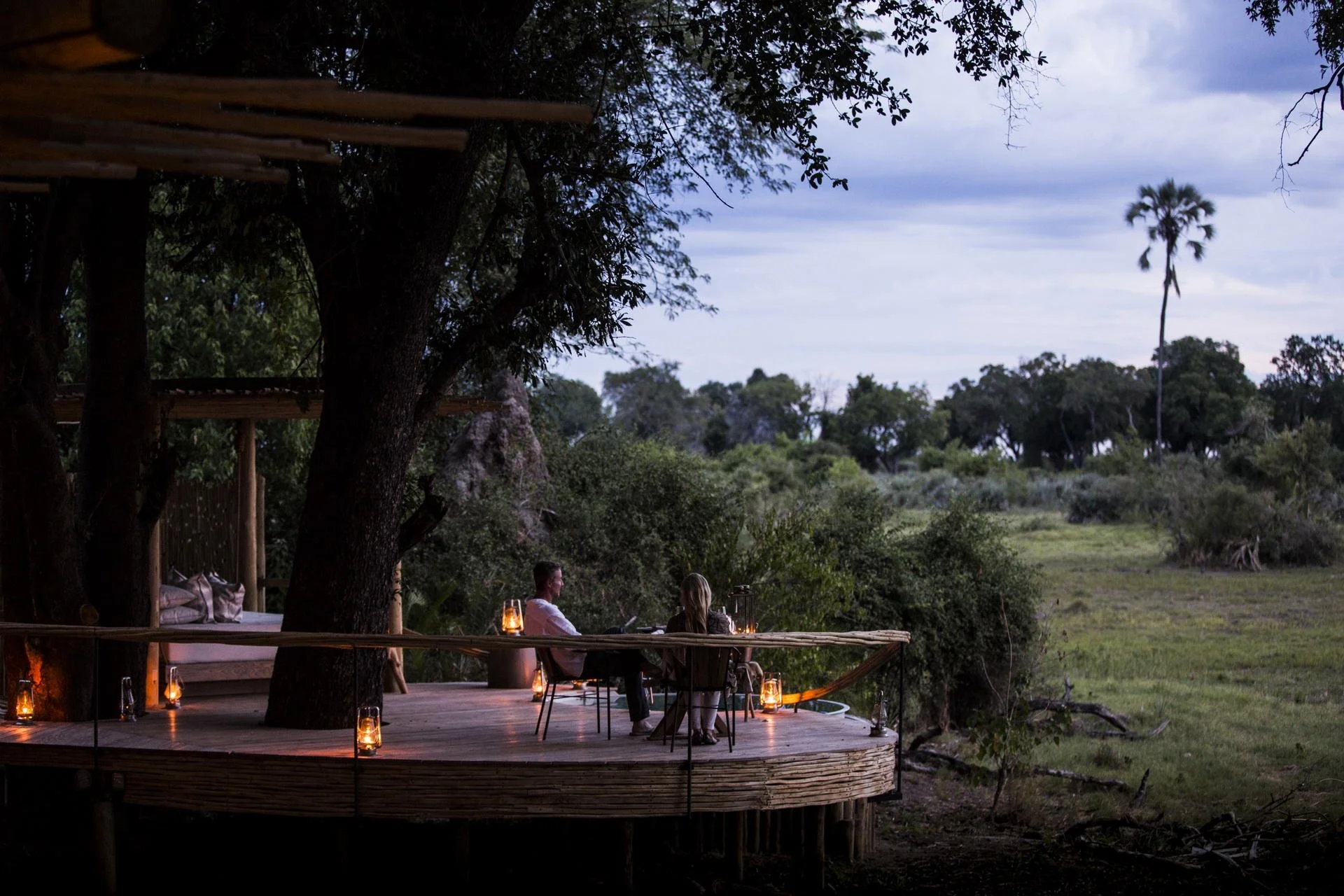
![At Little Tubu, stargazing begins right from camp — this intimate hideaway offers quiet luxury deep in the Okavango Delta.]()
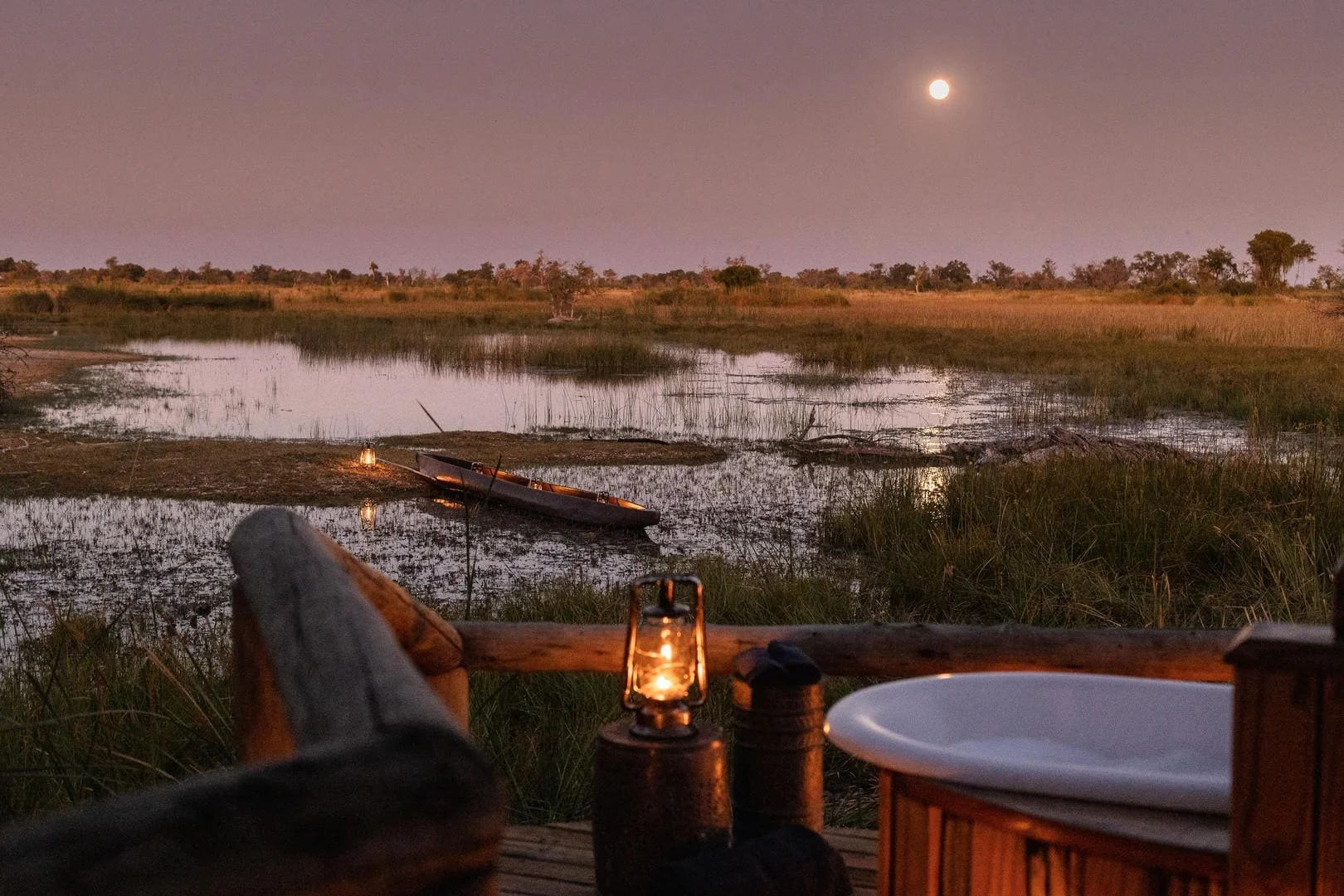
Little Tubu (Okavango Delta)
With only three tents, Little Tubu is an intimate retreat surrounded by diverse wildlife and seasonal water channels.
-
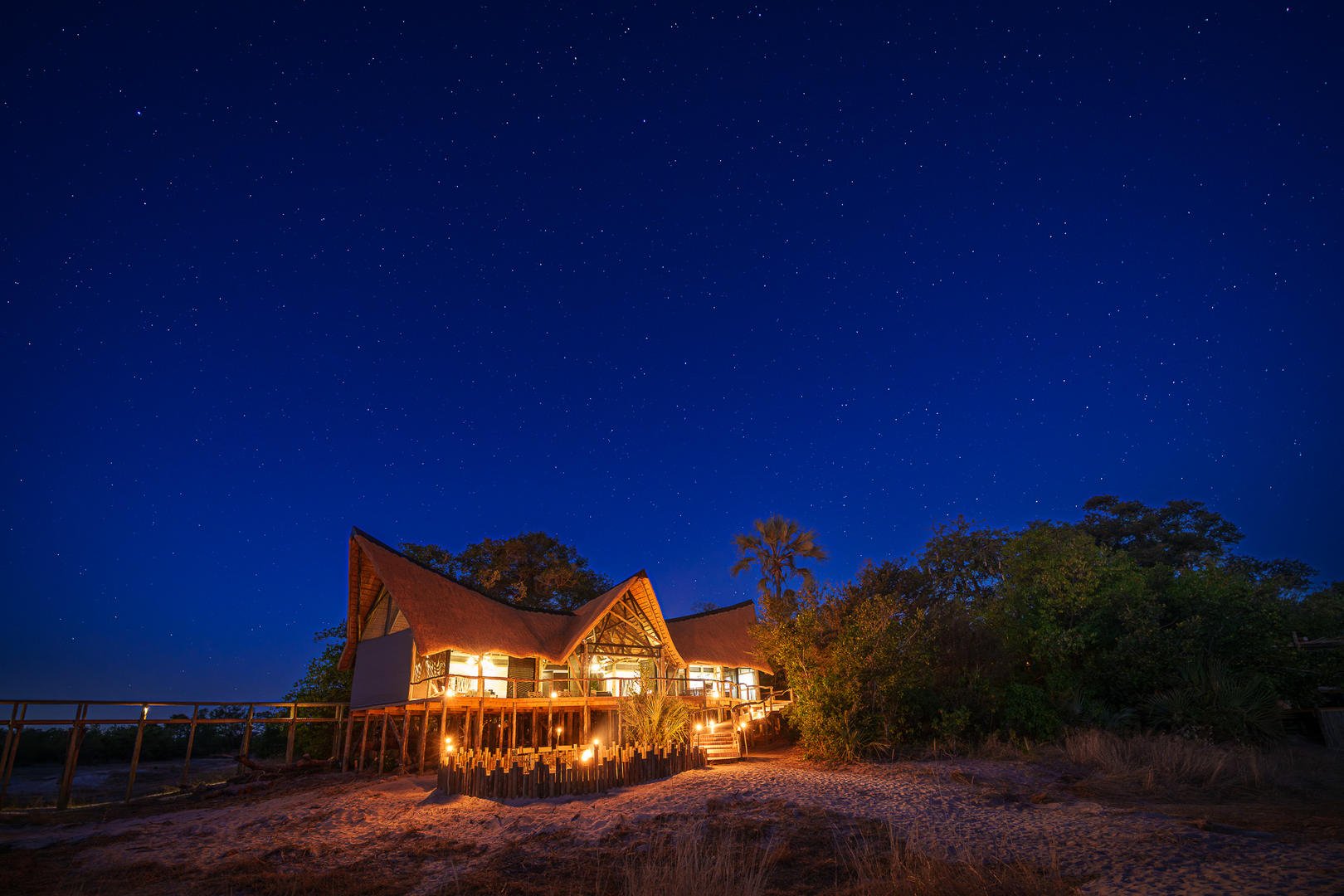
![A remote, water-based safari experience where mokoro rides bring you eye-level with the wetlands of the Delta.]()
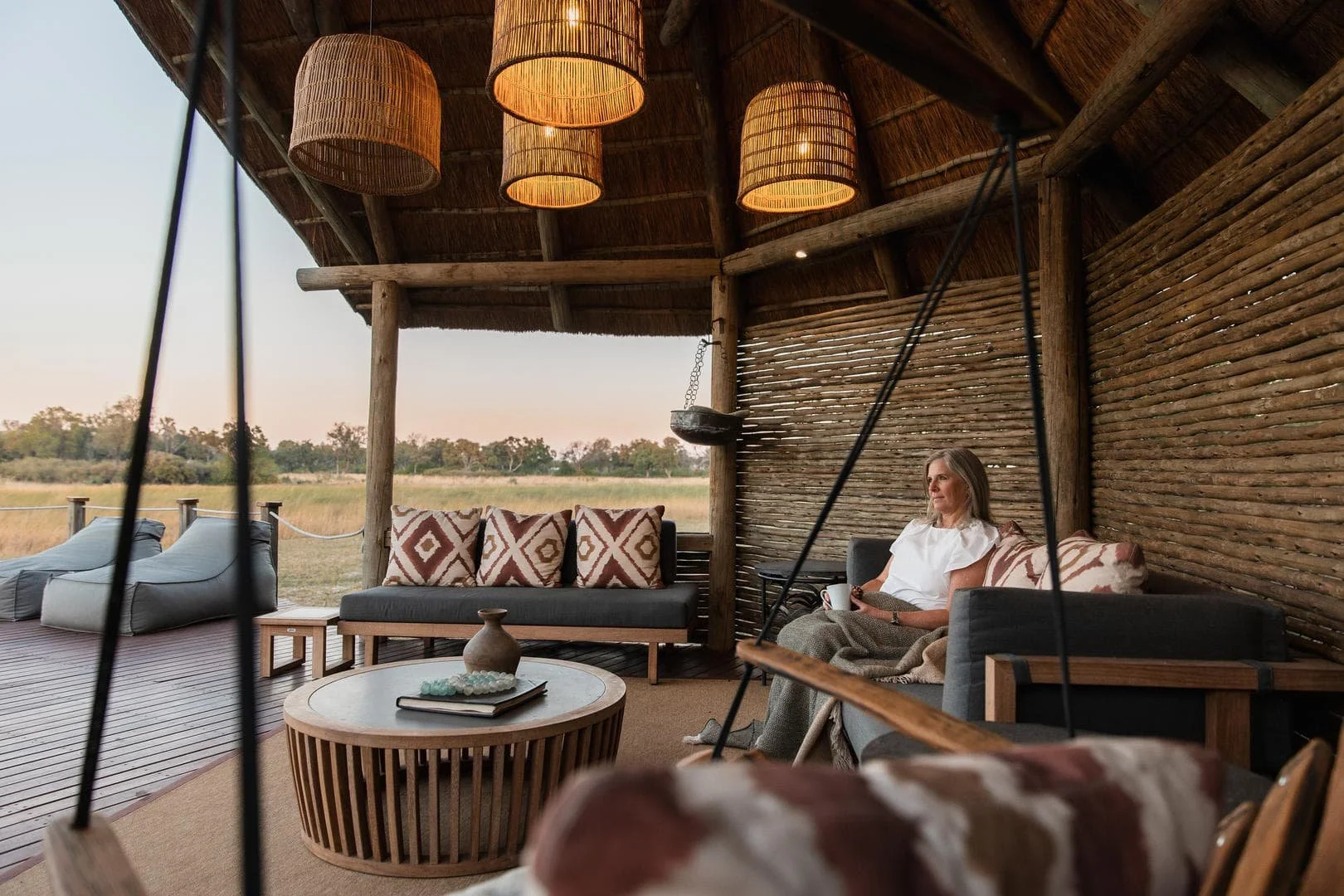
Jacana Camp (Okavango Delta)
A peaceful, water-based camp ideal for mokoro rides, boating, and birdwatching — perfect for those seeking serenity and soft adventure.
-
![Elevated safari tent at Kwetsani Camp in the Okavango Delta, Botswana]()
Kwetsani Camp (Okavango Delta)
Treehouse-style tents with sweeping views. This camp blends land and water activities for a well-rounded Delta experience.
-
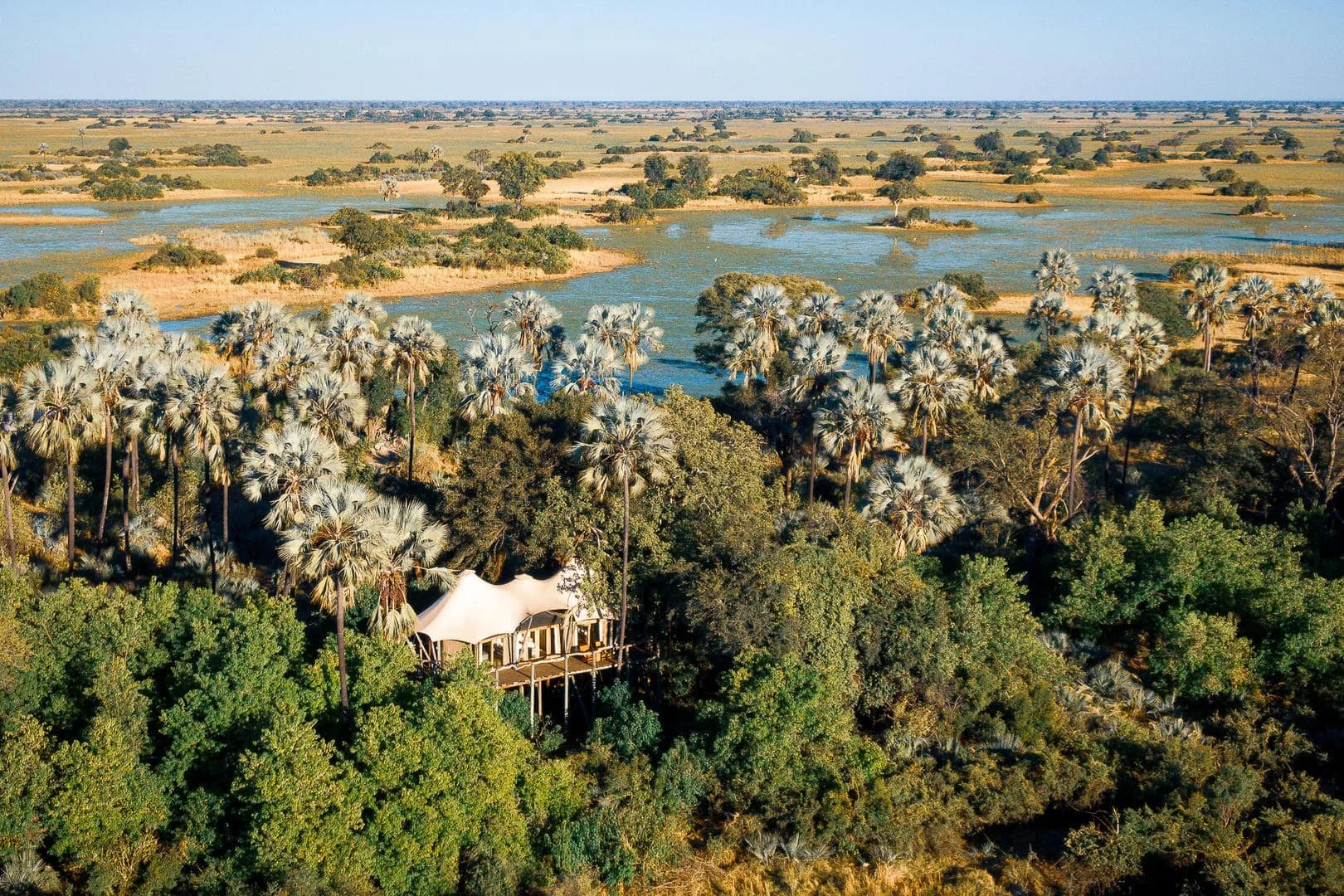
![Aerial view of Little Vumbura Camp surrounded by Delta waterways in Botswana.]()
Little Vumbura (Okavango Delta - Northern)
Accessible only by boat, Little Vumbura is surrounded by floodplains and known for a strong mix of water and predator action.
-
![Hippo grazing in open floodplain near Linyanti Tented Camp in northern Botswana.]()
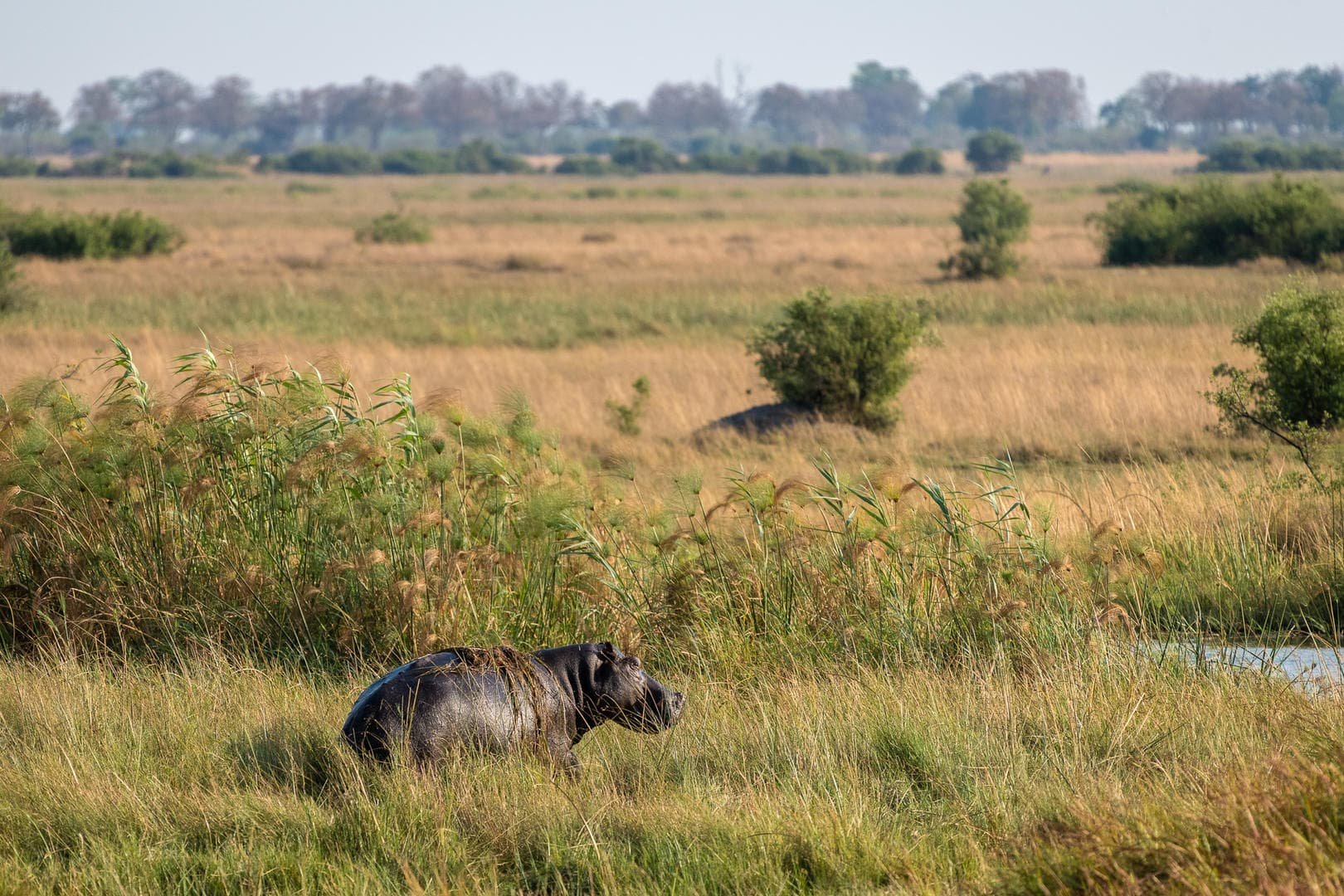
Linyanti Tented Camp (Linyanti)
Simple and soulful, this small camp is perfect for those wanting a quiet escape with a strong focus on wildlife and authenticity.
-
![Open savanna landscape near Chitabe Camp in the Okavango Delta, Botswana — known for big cats and wild dogs.]()
Chitabe Camp (Okavango Delta – Southeast)
Set in a wildlife-rich concession, Chitabe is known for incredible predator sightings and some of Botswana’s best guiding.
-
![Cozy safari tent at Chitabe Lediba Camp in Botswana’s Okavango Delta, ideal for couples or small groups.]()
Chitabe Lediba (Okavango Delta – Southeast)
A smaller, more intimate version of Chitabe — ideal for families or couples wanting big game and quiet luxury.
-
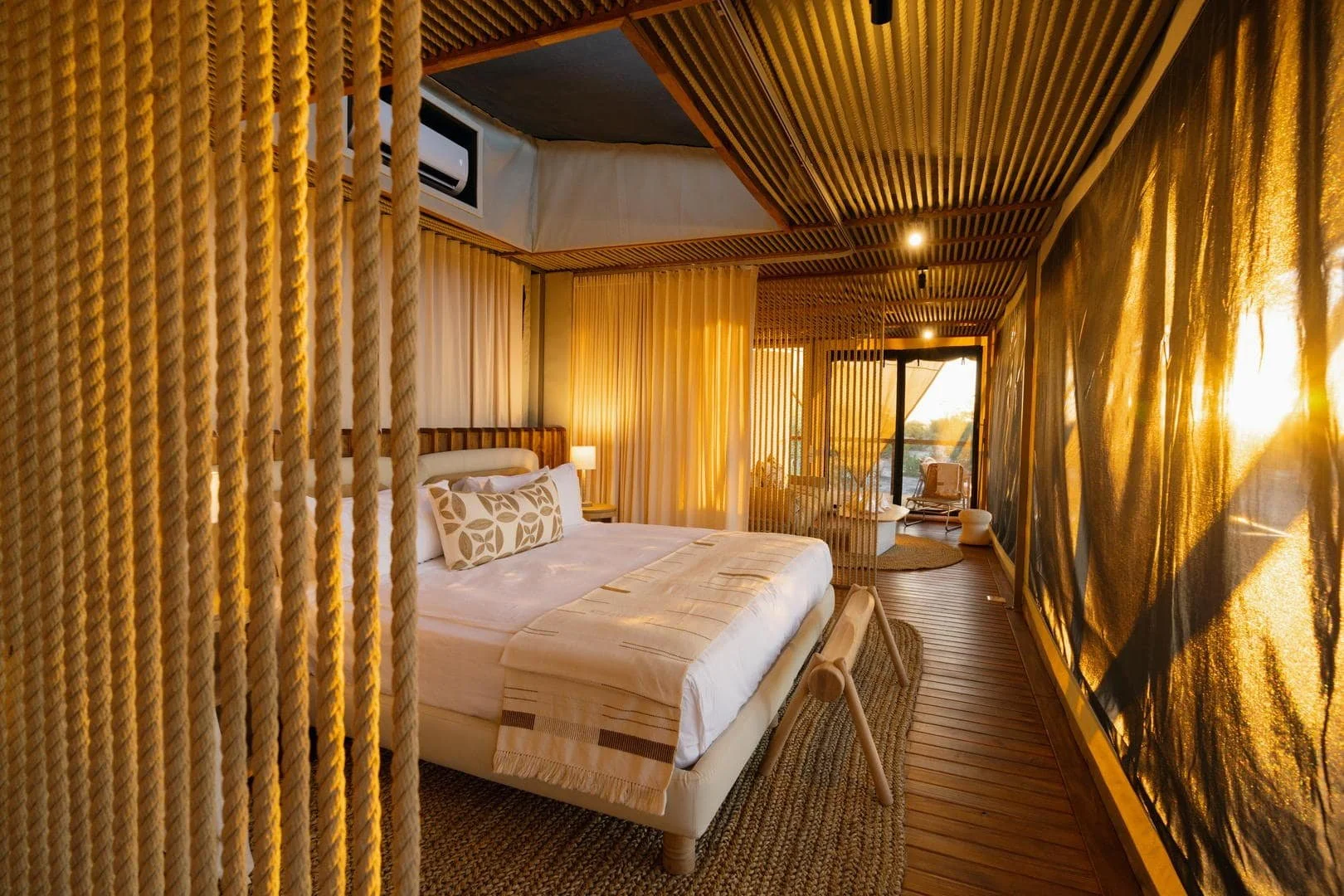
![Contemporary tented suite at Qorokwe Camp in Botswana’s Okavango Delta, blending bold design with wilderness access.]()
Qorokwe Camp (Okavango Delta – Southern Edge)
Stylish and contemporary, Qorokwe blends comfort with excellent big game sightings in a thriving private concession.
-
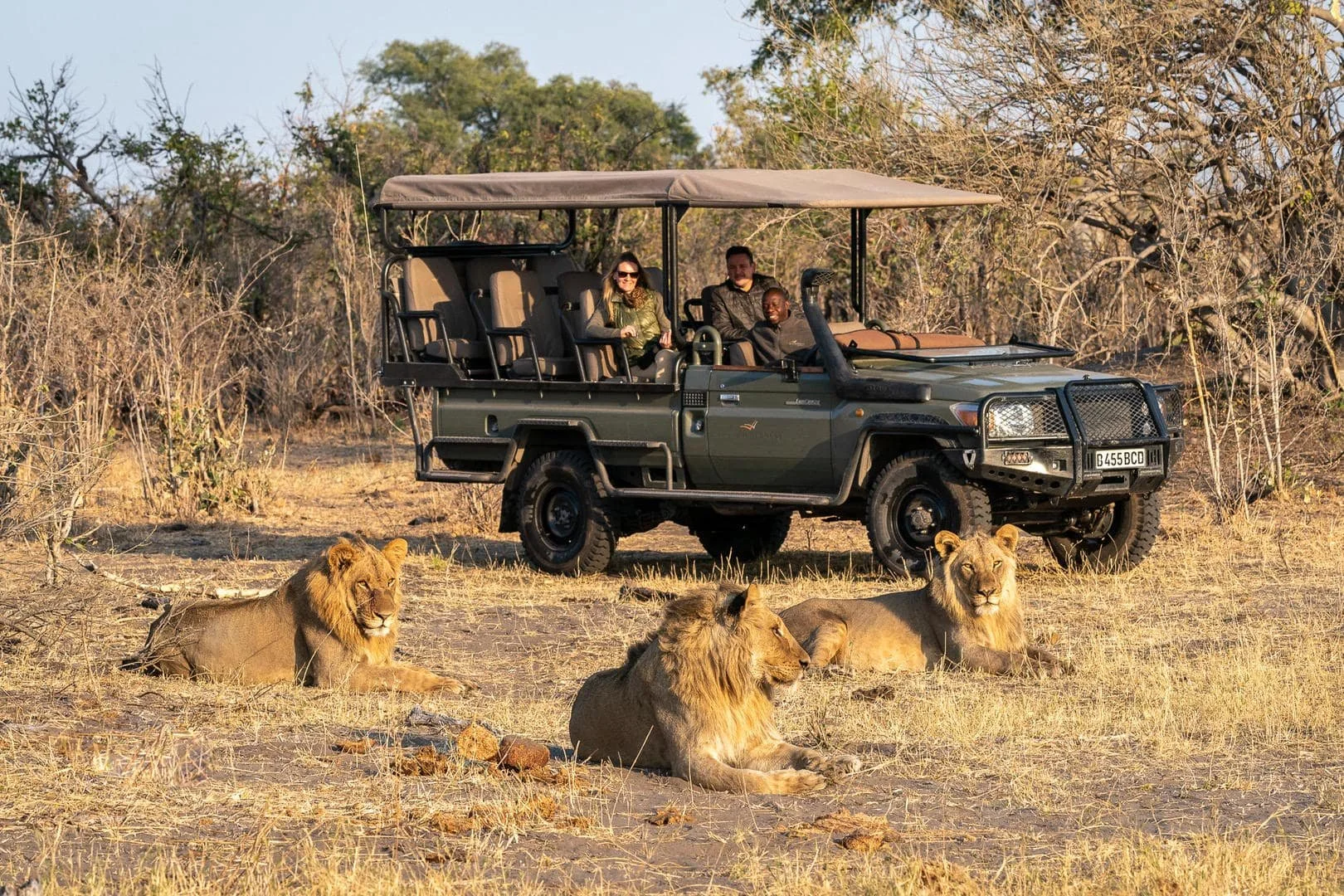
![Safari vehicle tracking wildlife near Savuti Camp in Botswana’s Linyanti region.]()
Savuti Camp (Linyanti)
A classic dry-season camp with strong predator activity and elephant herds — great for dramatic game drives and off-road tracking.
-
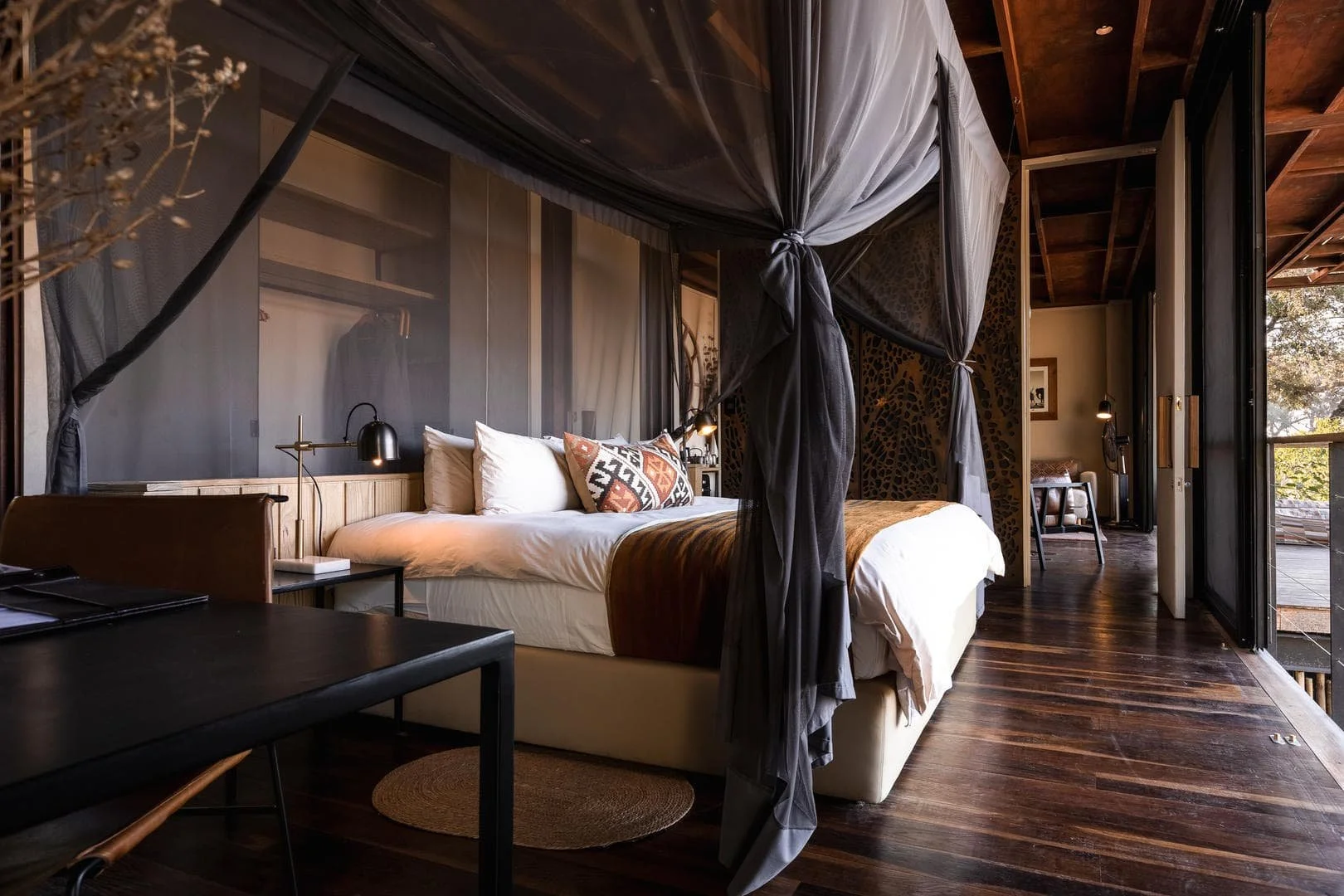
![ontemporary safari tent at Mokete Camp in Botswana’s Mababe region]()
Mokete Camp (Mababe Region)
One of Wilderness’s newest Classic Camps, Mokete offers bold design and access to a region rich with wildlife and seasonal diversity.

What Happens Next
1
Fill out the short personalization survey
Tell me a bit about your travel style, interests, and hopes for your safari adventure.
2
Schedule a call with me
We’ll chat about your ideas and explore what Africa has to offer.
3
Together, we shape your perfect safari
From initial planning to final flights — ensuring your journey is seamless and unforgettable.
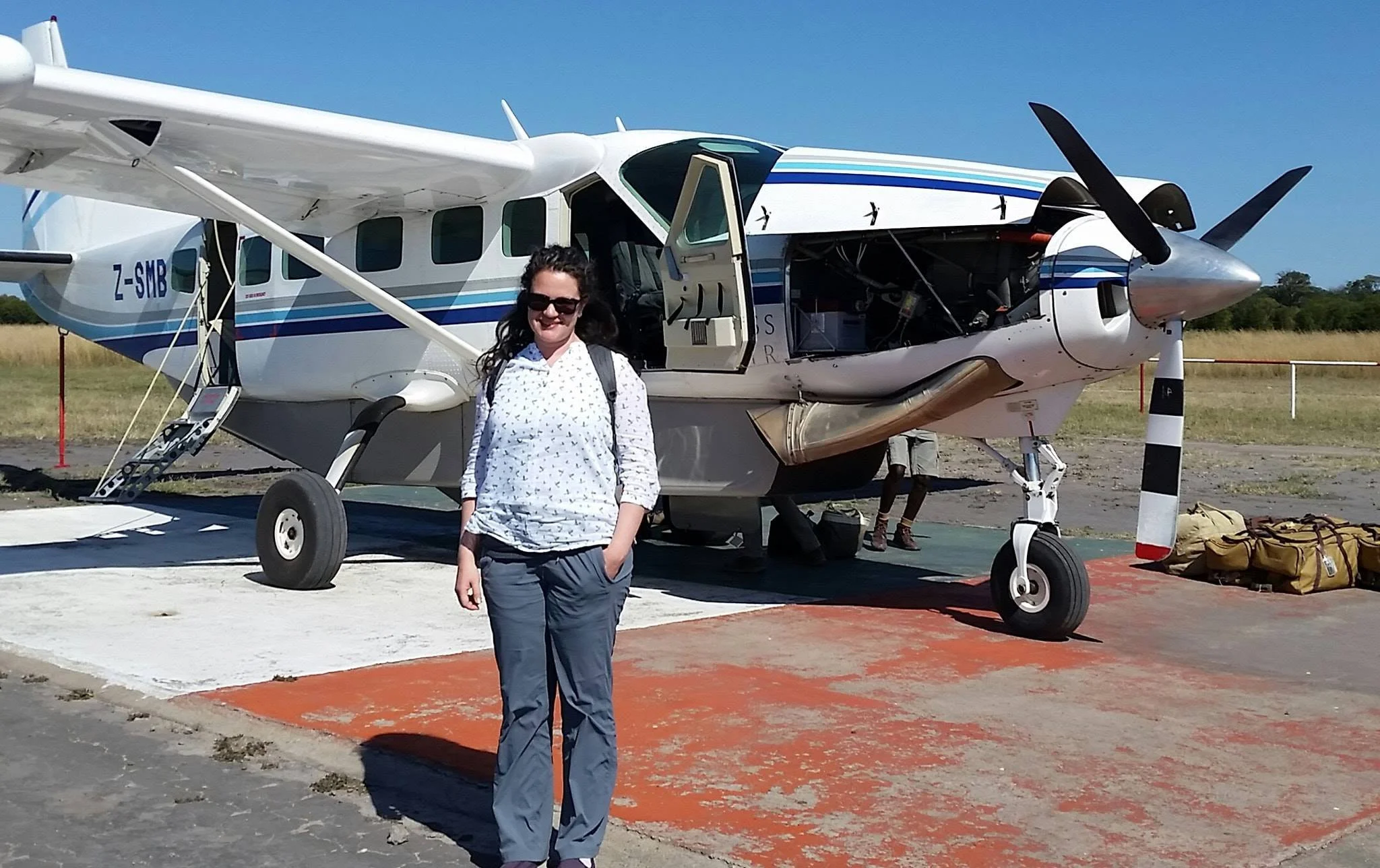
Ready to start dreaming up your own safari?
I tailor every trip to the traveler — your pace, your priorities, and your style of adventure. If you're curious whether Botswana is right for you, let’s talk.
Sample Safari Itinerary & Starting Prices
8 night Exceptional Botswana (High Season)
Your itinerary begins in Johannesburg with a night at a hand-picked hotel — the perfect place to settle in before your safari begins. Then you’re off for 7 nights in 3 different Wilderness lodges, each chosen to showcase a different landscape and safari style.
Each day on safari includes:
All meals and snacks
Twice-daily guided activities (game drives, mokoro rides, walking safaris, etc.)
All park and conservation fees
Local beverages (excludes premium imports and champagne)
Bush flights between camps — already included
$21,000 USD for 2 people sharing
Pricing will vary depending on the season, group size, and flight availability.
“The actual trip was nothing short of amazing. We saw every animal on our list and had unforgettable experiences… The whole planning process was so easy, as Karen was able to customize our trip based on our family’s wants and needs.”
— Lisa Sands